

Think about the last time someone you didn’t know asked you for money. You probably said no or at least hesitated. Trust doesn’t come easy between strangers. But somehow, great brands manage to earn that trust in seconds through strong branding.
In this article, we’ll break down what strong branding really means, why it works, and show you real examples (for both personal & corporate), from Nigeria, Africa, and global brands doing it extremely well.
What Is Strong Branding?
Strong branding is when a business or person shows up the same way, every time, across every platform, connecting with its customers and leaving a lasting impression. It’s your values, your voice, your visuals, and the promise you make to your audience, all working together.
It’s your identity design plus the feeling people get when they come across you. Strong branding answers three simple questions right away:
- Who are you?
- What do you stand for?
- Why should I pick you?
When people can answer those questions without thinking too hard, they start to trust you. That’s the goal.
Why Strong Branding Builds Trust
Before we look at examples, let’s understand why branding builds trust. Strong branding builds trust because people trust what they can connect with.
When someone keeps seeing the same look, the same voice, and the same message from a brand, their brain starts to treat it as reliable. It’s like a person who always shows up on time after a while; you just expect it. And that expectation is trust.
There’s another reason, too. When a brand’s design, words, and product all feel like they belong together, it sends a simple but powerful message: these people are deliberate. And deliberate people seem more competent and trustworthy.
Here’s what strong branding does for you:
- Builds credibility fast
- Raises your perceived value
- Help people stop second-guessing and quickly decide to patronize you
- Creates an emotional connection that makes customers identify with you
- Drives word-of-mouth and makes you easy to recommend
In sum, strong branding makes you recognizable, different, and chosen. Now, let’s go ahead and look at our selection of brands doing pretty good branding.
10 Strong Branding Examples That Build Customer Trust
1. Salem King
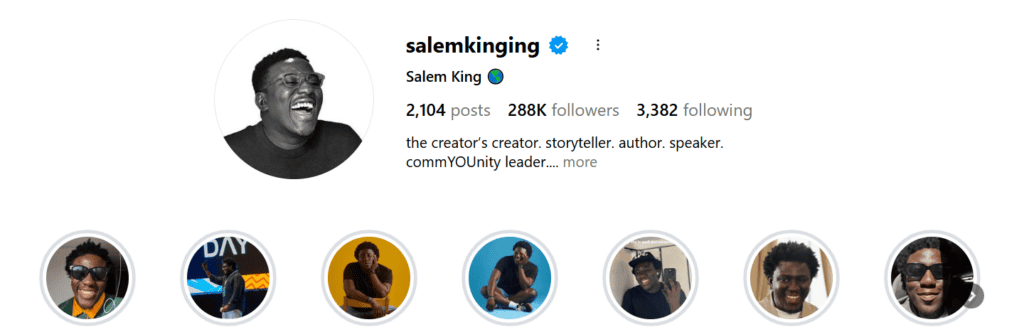
Salem King is one of the clearest examples of personal branding done well in Nigerian digital media. I find his content consistent, built around discipline, personal growth, and the creator economy, and it never strays from that lane.
He didn’t start with a big following. In 2019, there was no blueprint for a Nigerian content creator, but Salem began uploading casual, phone-edited lessons from his own experiences, and people started asking questions.
That genuine approach was the foundation of everything he built. Today, his cross-platform audience has grown beyond 400,000, and he has worked with major brands including MTN, Meta, Spotify, YouTube, Cowrywise, Zenith Bank, and Jumia.
Beyond brand deals, Salem has built something more lasting. He is a speaker at multiple TEDx events, a Future Awards Africa nominee, and the author of CommYOUnity, a book focused on community building.
Together with co-host Adaora Mbelu, he co-founded Crea8torium, a platform whose bigger goal is to create an ecosystem where African creators can learn from one another, share data, and professionalise an industry that has long been undervalued.
What makes people trust him is simple: he’s predictable in the best way. In his own words: “Every time I have an email from a brand I’ve always wanted to work with, I’m not surprised because I show up consistently.” His audience always knows what they’re going to get. No sudden changes, no mixed messages.
Trust lesson: Consistency creates familiarity. Familiarity creates trust, and real-world results seal it.
2. PiggyVest
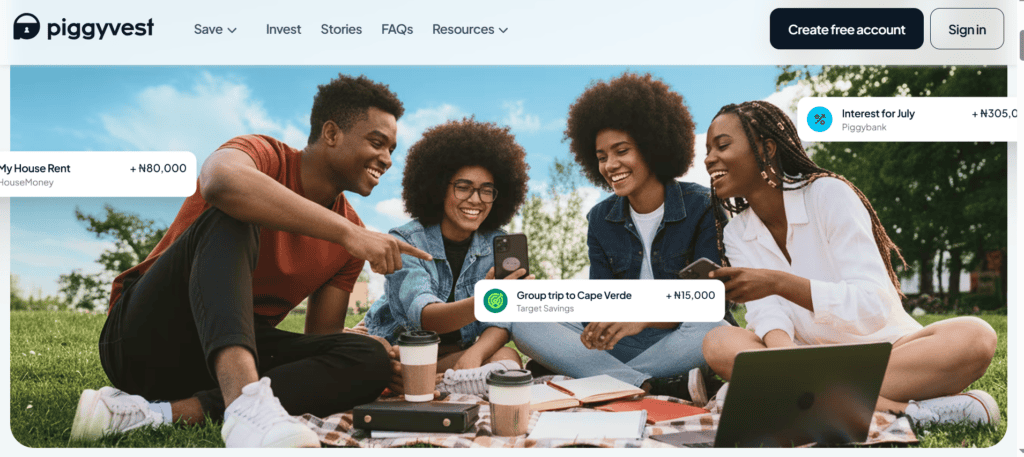
PiggyVest built one of the most trusted finance brands in Nigeria, in a country where many people are deeply skeptical of financial services. That’s a big deal!
How did they do it? They talk about money the way a trusted friend would: simply, warmly, and without confusing language. Their app is clean and easy to use. Every message they send focuses on two things their users care about most: security and discipline. They don’t try to impress you with big words. They just make you feel safe.
And the numbers back it up. PiggyVest crossed 6 million users in 2025, paying out ₦1.3 trillion, a 56% increase from the ₦835 billion it paid out in 2024. Since launching in 2016, PiggyVest has cumulatively paid out over ₦3 trillion to users, making it one of Africa’s most impactful digital savings platforms. In both 2024 and 2025, CNBC named them among the world’s top fintech companies.
That kind of growth doesn’t happen without trust. And trust doesn’t happen without consistent, honest communication. Co-founder Joshua Chibueze put it plainly: “As a predominantly low-trust environment, we’re proud of the consistent work we have put in over the years to win back the trust of Nigerians when it comes to digital savings.”
Trust lesson: Warm, clear messaging backed by visible results turns skeptics into loyal users.
3. Ashluxe
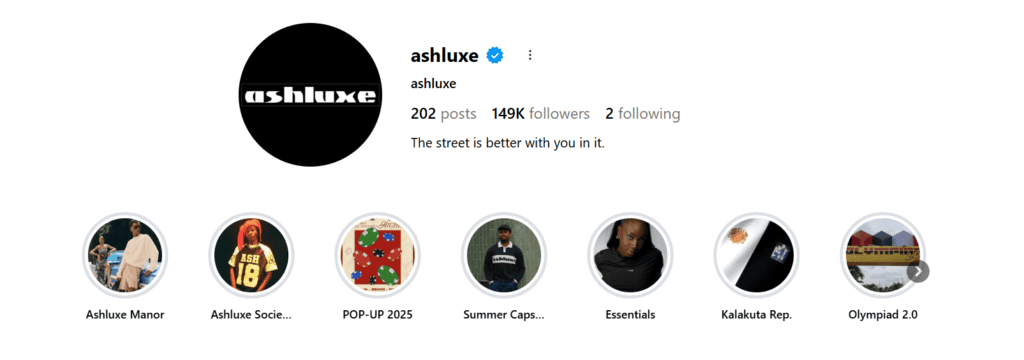
Ashluxe is a Nigerian fashion brand that blends African culture with luxury style, and it genuinely feels premium. The photos are sharp, the storytelling is rich, and the voice is bold and confident.
Their strategy has been tight from the start: exclusive fashion drops, curated brand experiences, high-end product launches, and strong ties with Nigerian celebrities, musicians, and cultural influencers. None of it feels accidental. Every touchpoint reinforces the same bold, elite, aspirational, and unmistakably African story.
Here’s what makes their branding work: their prices and their image match. When you look at Ashluxe, you don’t wonder if they’re worth what they charge. The brand answers that question before you even ask it. In fashion, that alignment between perception and price is everything. It’s the difference between a brand that seems expensive and one that feels worth it.
Trust lesson: When your brand looks and costs like the same thing, trust is automatic.
4. Cowrywise
Most fintech brands try to sell you right away. Cowrywise takes a different approach, they teach first.
Their content is educational. Their design is calm and approachable. Their tone doesn’t make saving or investing feel scary or complicated. They have built their reputation among young Nigerians specifically through financial literacy, showing up at fintech community events, producing value-first content, and being transparent in how they communicate.
They don’t “sell hard.” They guide. And because of that, their audience doesn’t feel like customers being pitched to, they feel like students being helped. That distinction matters more than most brands realise. When people feel genuinely helped, they come back. And they bring others.
Trust lesson: Brands that educate before they sell earn a deeper, more lasting kind of trust.
5. Paystack
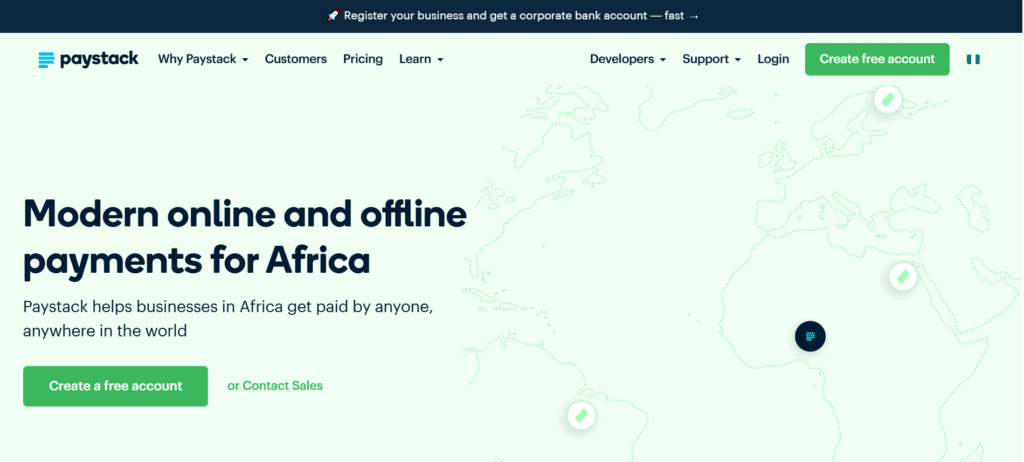
Paystack understood something crucial early on: their real customer wasn’t just the end user, it was the developer and the business owner integrating their payment infrastructure. So they built a brand that spoke directly to that audience.
The identity is clean, technical, and reliable. Every product decision, every update, every piece of documentation communicates one thing: this will work. They built strong infrastructure partnerships, including with banks like United Bank for Africa, and processed payments for thousands of businesses across the continent.
That developer-friendly positioning is what earned them a $200M+ acquisition by Stripe, at the time, one of the largest tech acquisitions in African history.
For businesses, reliability is the highest form of trust. Paystack’s brand made that promise clearly and early, and their product kept it consistently.
Trust lesson: In B2B, competence communicated clearly is the most powerful trust signal there is.
6. Zikoko
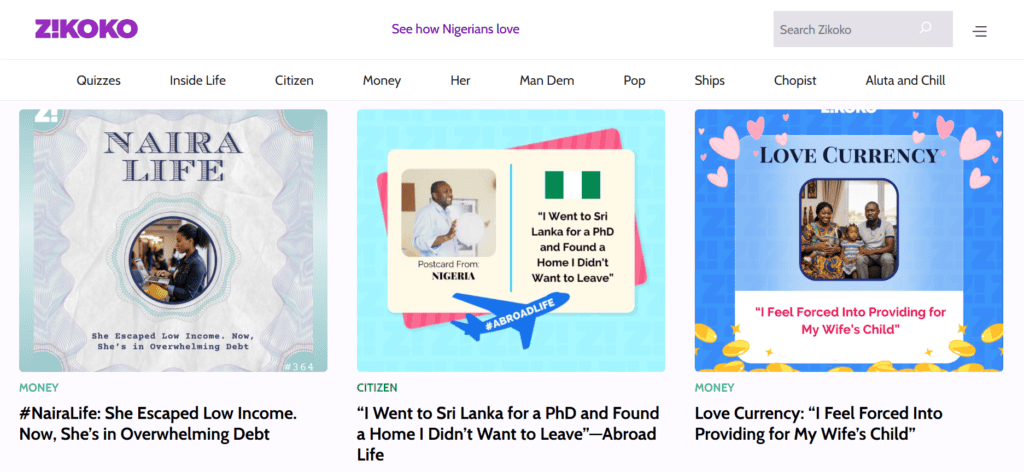
Zikoko talks to young Nigerians the way young Nigerians actually talk. That’s the whole strategy, and it works incredibly well.
Most brands try to sound young and end up sounding awkward.
Zikoko doesn’t try. They just are. Their content is funny, culturally aware, and written in a voice their audience recognises as their own.
Beyond content, they’ve taken their brand into real life; organising the Naira Life Conference in partnership with PiggyVest, running digital engagement events like Zikoko Live, and working with brands like Carbon to create experiences their audience actually wants to be part of.
That combination, a distinct voice online backed by real-world presence, is what makes Zikoko more than just a media brand.
Their readers feel seen, and when people feel seen by a brand, trust follows naturally.
Trust lesson: Mirror your audience’s voice and culture, and they will make your brand their own.
7. Flutterwave
Flutterwave set out to do something ambitious, which is to make Africa feel like a single country through payment technology.
Their branding reflects that mission at every level. It looks global, it speaks with confidence about expansion and innovation, and it carries a clear African identity without apology.
The proof is in the numbers. Since its founding in 2016, Flutterwave has processed over 890 million transactions valued at $34 billion to date. In 2024, the company expanded its operations to Rwanda, Ghana, Uganda, and Zambia, bringing its total infrastructure reach to over 35 countries.
They were named to CNBC’s Top 250 Fintech Companies list and recognized as Fast Company’s Most Innovative Company for the EMEA region in 2024.
For large partners and international clients evaluating African fintech options, this branding is enormously reassuring. It says, “We belong at the table.”
That perception of expansion directly builds the kind of trust that wins enterprise clients and global partnerships.
Trust lesson: Brand yourself at the level you’re playing at, not the level you started from.
8. Feather

Feather rents furniture to urban millennials who prefer flexibility over ownership. Their entire brand reflects minimalist design, simple messaging, and a tone that feels completely stress-free.
Their strategy has been digital-first, using campaigns that speak directly to the lifestyle of city dwellers who move often and don’t want to own bulky furniture.
They have built their position within urban living and real estate ecosystems, and their branding stays tightly focused on their core value proposition: simple, flexible, stress-free living.
The reason this works so well is that the brand is the product experience. If Feather promises simple and flexible living, interacting with their brand should feel exactly that way. It does.
That alignment between promise and presentation is deeply convincing, and it removes hesitation before a customer even signs up.
Trust lesson: If your brand looks and feels like what you’re selling, customers believe you before they try you.
9. Gymshark
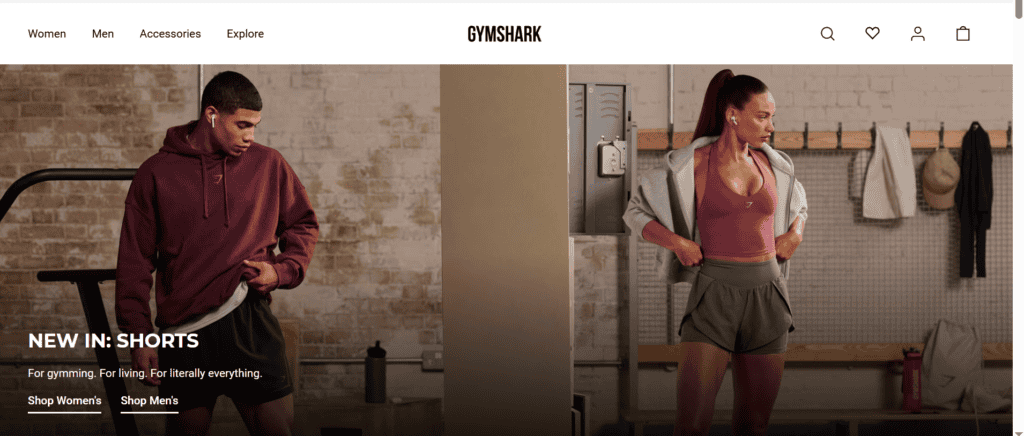
Gymshark became a billion-dollar brand not by having the best gym wear, but by building one of the most loyal fitness communities in the world. Their branding was never really about the clothes; it was about identity.
Gymshark built a brand with a $1.3 billion valuation and 27.5 million social media followers, largely through community-driven, influencer-led marketing rather than traditional ad spend.
They ran global pop-ups, fitness meetups, and expos. They chose influencer partnerships carefully, working with people who genuinely lived the fitness lifestyle, not just celebrities with large followings. Every decision reinforced the same message: if you take fitness seriously, you belong here.
Customers don’t just buy Gymshark products. They join something. And when people feel like they belong, they stop shopping around.
Trust lesson: Build a community around your brand, not just a customer base, and loyalty takes care of itself.
10. Notion
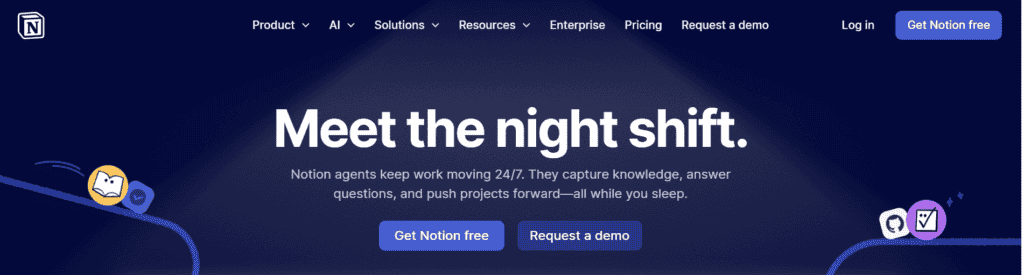
Notion’s brand is quite confident. There’s no aggressive sales energy, just a calm, clean identity that says: we’ve thought this through, and so can you.
Their design is minimal. Their messaging is clear and respectful of user intelligence. They grew through a strong community of creators, educators, and startup founders, people who ran workshops, built templates, and became genuine ambassadors without being paid to. That community-driven model turned users into marketers, and it happened because the brand earned that kind of loyalty.
The product delivers exactly what the brand promises: an organised, flexible, reliable workspace. There’s no gap between expectation and experience. That is the quiet secret behind Notion’s deep trust with thoughtful users worldwide.
Trust lesson: When your product and your brand tell the exact same story, trust becomes automatic.
Related Article: What is Branding? 7 Decisions That Build Powerful Brands or watch it on YouTube:
What All These Brands Have in Common
If you study all ten examples, the same four things keep showing up:
01
Clarity Removes Doubt
The faster a brand answers “who are you and why should I care,” the sooner people feel comfortable. Confusion is the enemy of trust.
02
Consistency Builds Familiarity
When people keep seeing the same look, the same voice, the same values from you, you start to feel known. And people trust what feels known.
03
Alignment Creates Credibility
When your visuals, words, prices, and product all say the same thing, people believe you. When they don’t match, people notice and they walk away.
04
Proof Makes It Real
Trust builds faster when branding is backed by visible results such as real events, partnerships, and achievements that prove the brand is not just well-designed, but worth it.
5 Simple Framework for Building a Trustworthy Brand
1: Define your character
Your business’s character or identity can be based on a “covenant,” which is simply a serious promise or core agreement you make with your customers and workers. Because of this, you can decide to share a value-driven identity.
This type of identity comes from your company’s internal work culture, your day-to-day actions or those of your team, and the original ideas of the people who started the company.
So, instead of just focusing on logos or outside symbols, this identity highlights how your brand behaves, how it helps society, and how it follows fair rules.
You can also choose to show a personality-driven identity. This means giving your brand human traits like being super helpful, convenient, smart, or easily noticed so it can stand out in a crowded market.
By doing this, the brand creates a clear character. This character acts like a rulebook to judge how employees should act on the inside and how they should treat customers on the outside.
2: Find your voice
Finding your voice means deciding how your business talks to the world. Go beyond what you sell, and think about the way you say it, whether your tone is serious, funny, or super casual.
This voice helps customers feel connected to you and makes your business feel more like a real person. As tech leader and entrepreneur, Elon Musk famously noted, “Brand is just a perception, and perception will match reality over time.”
A strong, steady voice makes sure that what people think about your company matches who you actually are. How do you sound? Warm? Direct? Playful? Pick a tone and stick with it.
3: Build a consistent look
According to research from Harvard Business School, creating a strong brand identity means mixing the right looks and words together to change how people value what you sell.
Studies show that a real identity is about much more than just a logo; it must clearly connect what your company believes in to what your customers actually need.
For these pieces to work, they all have to fit together perfectly to create a real emotional connection, make customers stay loyal, and help the business grow.
Choose your branding design (colors, fonts, and visual style), and then don’t change them every few weeks.
4: Show up consistently.
Show Up Consistently
According to experts, staying consistent means giving your customers the same high-quality experience every single time they interact with your business.
Studies show that when your logos, colors, and messages stay the same, people automatically view your company as more professional and reliable.
If you constantly change your look or voice, it can confuse your audience and make them lose faith in your business. By sticking to a clear set of rules for your brand, you build strong customer trust, make your business easily recognizable, and help your sales grow over time.
Therefore, your Instagram, your website, and your emails should all feel like they come from the same place.
5: Back it with proof.
Back It with Proof
A business cannot just make big promises; it has to prove it can actually deliver on them to earn true customer trust. Research shows that when a company backs up its claims with real evidence, it lowers the risk for buyers and makes them feel much more confident in their choice.
Instead of using empty sales talk, smart brands share honest reviews, customer ratings, and clear facts. By showing visible proof that your product works, you build a strong reputation, make customers happier, and turn them into loyal fans who will recommend your business to others.
Pursue collaborations, attend industry events, and share real results. Branding builds the expectation. Proof turns that expectation into deep, lasting trust.
Frequently Asked Questions About Branding and Branding Identity
What is the difference between branding and brand identity?
Branding is how people feel about your business, your reputation, your image, the associations people have with your name. Brand identity is the set of tools you use to shape that feeling, mostly aesthetic tools such as your logo, colors, fonts, as well as your tone of voice. Branding is the result. Brand identity is how you build it.
How do you build a personal brand people trust?
Start by being specific. The most trusted personal brands belong to people with a clear, consistent point of view. Decide what you stand for, speak from that place every time, show up regularly, and offer real value before you ask for anything. Nigeria’s Salem King is a perfect example; he built trust through years of consistent, educational content long before he became a sought-after name for major brand deals.
Why does consistency matter so much in branding?
Because trust is built through repeated experiences, not one great moment. If your brand keeps changing in look, tone, or quality, people don’t know which version to believe. Consistency removes that doubt and makes you feel reliable.
How long does it take to build a strong brand?
There’s no magic number, but most strong brands take 12 to 24 months of consistent effort before real recognition sets in. The more focused and steady you are, the faster trust builds.
Final Thought
In a crowded market, to win is to be trusted. And trust is built by showing up the same way, every time, until people stop wondering and start believing. It’s reinforced by real partnerships, real events, and real results that prove the brand is more than just a good-looking front.
Strong branding makes you look good and makes people feel safe choosing you. Get that right, and selling becomes the easy part.
At Score Mark, we’re learning and building a platform that helps SMEs in Port Harcourt and Nigeria look as credible as they actually are and get found by the right customers, online. Chat with us today, let’s talk about what you’re building.